How to Choose the Right Steel Door Gauge: A Technical Guide for Homeowners & Builders

Choosing the right steel door is an important decision for any home or building project. It affects both the visual appeal and the functional presence of a doorway. Understanding the gauge, or thickness, of steel is an essential part of selecting a door that balances structure and style. Whether you are a homeowner planning a new entryway or an architect specifying materials, knowing how steel thickness and gauge comparison influence design can guide you to a solution that suits your project.
Steel doors are widely used in contemporary architecture because they offer clean lines, versatility, and consistent structural qualities. At Native Doors, steel doors are crafted to provide both modern aesthetics and reliable construction. Exploring the variety of steel doors available can give you a sense of how different gauge options affect both the look and the feel of a door naturally within your space:
Understanding Steel Gauge and Thickness
The term “gauge” describes the thickness of the steel used in a door. Counterintuitively, lower gauge numbers indicate thicker steel, while higher numbers correspond to thinner steel. This system allows designers and homeowners to compare doors without needing exact measurements.
Steel thickness affects not only the appearance of a door but also the tactile impression it gives. Thicker steel lines create a more substantial, grounded feel, which can complement a main entryway. In contrast, thinner steel lines provide a lighter, more open aesthetic, which is often preferred for interior partitions or doors with glass elements.
How Gauge Shapes Door Perception
By considering gauge naturally within the design, you can match the steel’s weight and visual impact to the intended use and surrounding materials. For example, pairing steel doors with wooden frames or glass panels can highlight the elegance of both materials.
How Gauge Influences Design
Gauge directly impacts the way a door looks and feels. A steel door with thicker metal provides a strong, solid visual impression, while thinner steel can create sleek, minimalist lines. Many homeowners enjoy using gauge comparison as a way to visualize the difference between modern entry doors and more traditional designs.
Custom Steel Doors and Flexibility
Modern homes often feature custom steel doors to blend functionality with design. Integrating steel thoughtfully ensures that doors complement the architecture without overpowering it.
Architects also consider gauge when designing how the door interacts with natural light, glass panels, and surrounding finishes. Choosing steel thickness that aligns with the space ensures cohesion in both interior and exterior settings.
Practical Role of Steel Thickness
Steel thickness contributes to the overall experience of the door. A thicker steel door will naturally feel firmer when opened and closed, which can give a sense of solidity and permanence in key areas like front entryways. Thinner doors may feel lighter, which can be preferable for interior doors or areas where delicate lines are desired.
Installation Considerations
When planning a space, consider how steel thickness interacts with other design choices, such as frame depth and hardware. These considerations help ensure smooth operation and long-term usability of your steel doors.
Steel Doors in Modern Interiors
In contemporary interiors, steel doors are often chosen for their clean aesthetic and ability to harmonize with other materials. For example, a steel-framed door with glass panels can visually expand a room while maintaining a solid boundary between spaces. By combining steel and glass, designers achieve both openness and definition.
Material Comparisons
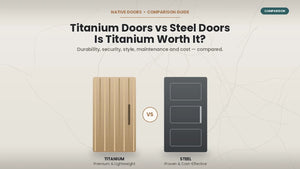
The choice between steel and aluminum doors is another consideration in some projects. While aluminum is lighter and allows for wider spans, steel provides a distinct presence that may better suit the design intent:
This comparison illustrates how steel thickness and material selection work together to influence the overall appearance and feel of a door.
Applications for Entry and Interior Doors
Entry doors benefit from the presence that thicker steel provides, while interior doors may prioritize sleek lines and light transmission. Homeowners often select steel doors for main entries because the visual solidity of thicker steel frames conveys architectural balance.
Interior Applications
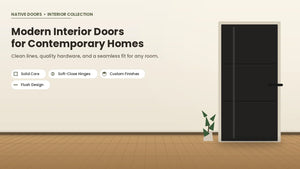
Interior doors often use thinner steel for a more refined, minimalist style. Examples include office partitions, wine rooms, or living spaces where steel is combined with glass to preserve natural light flow.
Understanding Gauge Comparison
Gauge comparison allows you to quickly evaluate the structural presence of different steel doors. Lower gauge steel provides thicker panels that appear more robust, while higher gauge steel offers a slimmer appearance. This is useful when balancing design aesthetics with functional needs.
Rather than focusing on performance claims, gauge comparison helps you anticipate the visual impact of the door in your home or building.
Steel Door Maintenance
Steel doors are generally low-maintenance, which adds to their appeal in modern homes. Regular care involves simple tasks such as cleaning the surface, wiping glass panels, and checking that hinges move smoothly.
Routine Checks
Properly installed steel doors can retain their appearance and functionality for years. Even routine maintenance helps maintain the structural and visual integrity of the door without requiring specialized interventions.
Integrating Steel Doors into Design
When integrating steel doors into a home, consider the balance of materials and visual lines. Thicker steel works well with natural textures like wood and stone, while thinner steel pairs with glass to create lighter, more open designs.
Architectural Harmony
Architectural harmony can be achieved by paying attention to proportions, finishes, and the intended function of the door. Thoughtful integration ensures that steel doors serve both a practical and aesthetic purpose.
Modern Entry Doors and Steel Selection
Modern entry doors often highlight steel’s ability to create a clean, bold frame around glass or decorative features. By selecting an appropriate gauge, designers and homeowners can subtly emphasize the doorway without overwhelming the space.
Final Considerations When Choosing a Steel Door
When selecting a steel door, think about:
- The balance between steel thickness and design
- The visual presence desired in the space
- Whether the door is for entry or interior use
- How steel integrates with other materials
Focusing on these considerations helps ensure the door complements the architecture and feels appropriate for its purpose. If you need assistance or guidance on selecting the right steel door for your project, you can contact Native Doors.
By understanding gauge, steel thickness, and design context, homeowners and architects can confidently choose a steel door that aligns with both aesthetic and functional goals.
Frequently Asked Questions
-
What does steel door gauge mean?
Steel door gauge refers to the thickness of the steel used in the door’s frame or panels. A lower gauge number means thicker steel, while a higher number indicates thinner steel. Understanding gauge helps you select a door style that fits your design needs. It also guides how substantial or minimal the door will appear in your space. -
How do I choose the right steel thickness for my home?
The right steel thickness depends on where the door will be used and the look you want to achieve. Thicker steel often complements main entryways because it creates a strong visual presence. Thinner steel is great for interior spaces where lighter lines and more glass are desired. Matching thickness to your home’s architectural style ensures a balanced design. -
Are steel doors suitable for interior spaces?
Yes, steel doors work well inside homes, especially in modern designs. Their slim frames pair beautifully with glass, allowing natural light to flow between rooms. Interior steel doors can create separation without making spaces feel closed in. They also blend well with different materials like wood, stone, or minimalist décor. -
Do steel doors require a lot of maintenance?
Steel doors generally require simple, routine care. Light cleaning and occasional checks of hinges and hardware help keep them operating smoothly. Wiping the frame and glass panels maintains their appearance. Their sturdy construction allows them to stay visually appealing with basic upkeep. -
Can steel doors be customized for different home styles?
Yes, steel doors can be tailored to fit various architectural styles, from modern to transitional. Customizing elements like grid patterns, glass types, and finishes helps the door blend seamlessly with your home. These options let you match the door’s look to your space without compromising the clean lines steel is known for.